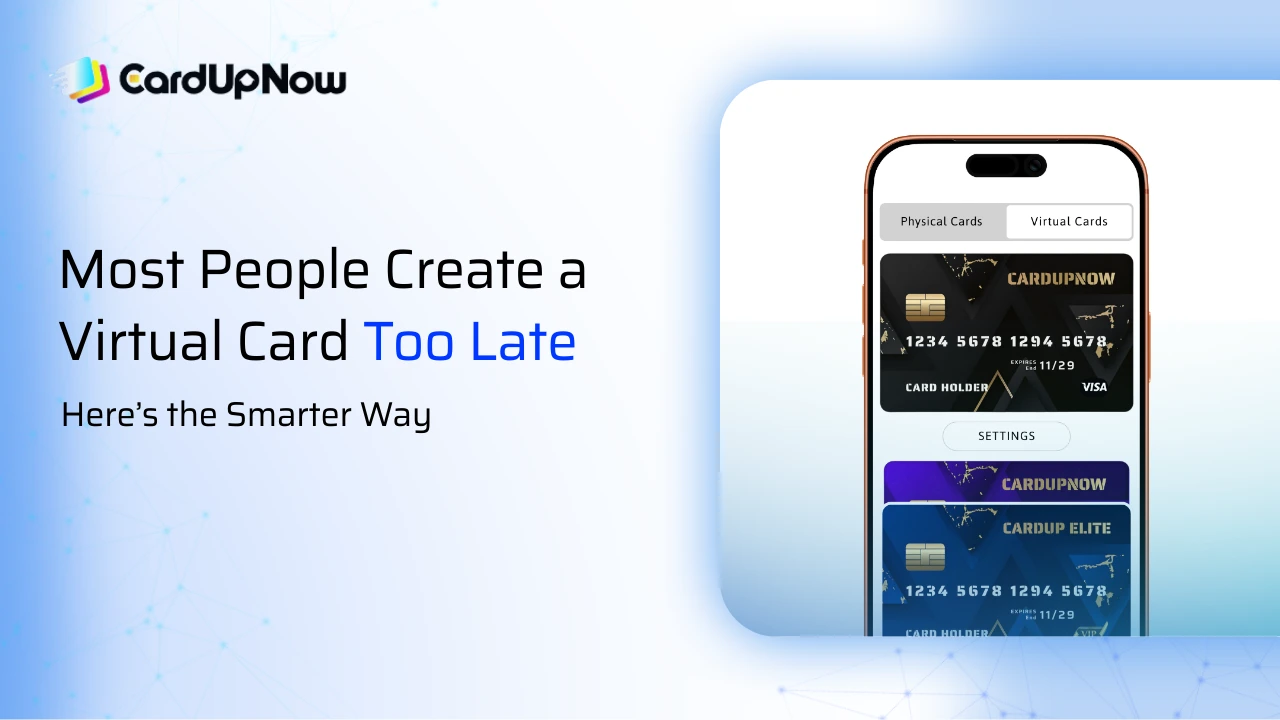
People rarely wake up one day and decide to create a virtual card out of curiosity. Most do it after something goes wrong.
It could be a free trial that quietly turned into a monthly charge. A website that saved card details without asking. Or a small international payment that somehow opened the door to repeated deductions. By the time users start searching “how to create a virtual card”, they’re usually trying to prevent the same mistake from happening again.
Today we don’t just want to talk about creating a virtual card. It’s about why people realize they need one only after losing control and how smart users do it differently from the start.
Why Virtual Cards Are Usually a “Late Realization”
Traditional cards were never built for how people use the internet today. We subscribe to multiple platforms, test unfamiliar services, pay on international websites, and enter card details on apps we may never open again. Yet despite all these different use cases, most people rely on one primary card for everything. It feels convenient at first, but that convenience often turns into exposure.
A single card tied directly to your bank account gives every website the same level of access. Once your details are stored, you’re relying on merchants to behave responsibly and not all of them do. This is why virtual cards are often discovered after:
- A subscription refuses to cancel properly
- A trial renews without warning
- A forgotten website charges months later
- A card is compromised and needs replacement
Creating a Virtual Card Is Easy – Using It Smartly Is the Real Skill
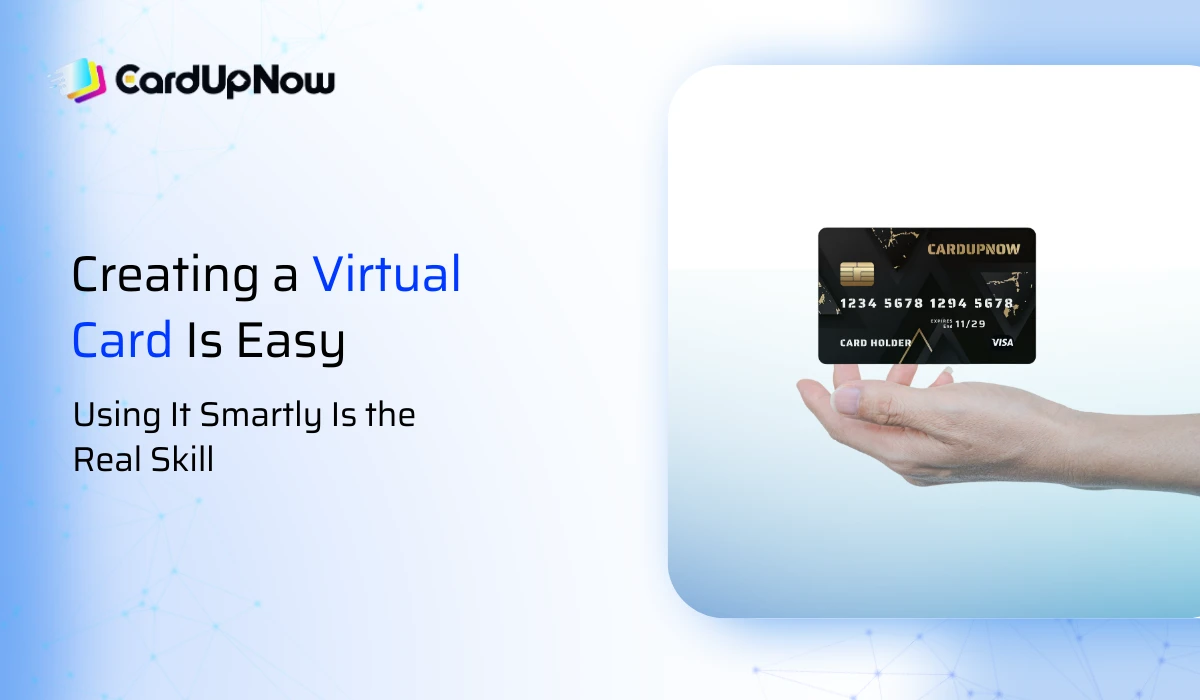
Most blogs make creating a virtual card sound like the finish line. Open an app, click a button, get a card number,done. But that’s only the starting point. The real mistake many users make is assuming that one virtual card can safely handle everything, just like a traditional bank card. When that happens, the protection virtual cards are meant to provide slowly fades away.
Smart users approach virtual cards differently. They don’t see them as a single replacement for their main card. Instead, they treat virtual cards as purpose-built tools, each created for a specific type of payment. A card used for subscriptions doesn’t need the same balance or lifespan as one used for a one-time purchase. A card meant for testing a new website shouldn’t have the same exposure as one used for regular online services.
The real advantage of virtual cards appears when you start using them intentionally. When each card has a clear role, you gain control over spending, reduce risk, and avoid the quiet problems that usually show up months later. Creating a virtual card is simple. Using it with intention is what actually makes it powerful.
The Smarter Way: Create Virtual Cards Based on How You Spend
Instead of one digital card for everything, experienced users separate their payments. Here’s how that looks in real life.
Virtual Card for Subscriptions
Subscriptions are the biggest reason people lose money online. A dedicated virtual card for recurring services allows you to:
- Control monthly limits
- Cancel payments instantly without contacting support
- Avoid surprise renewals
Virtual Card for One-Time or Trial Payments
Free trials aren’t always free. Some platforms make cancellation difficult on purpose. A low-balance virtual card used only for trials ensures:
- No overcharging
- No accidental renewals
- No stress about forgotten subscriptions
Once the balance is gone, the transaction ends.
Virtual Card for Sensitive or Adult Platforms
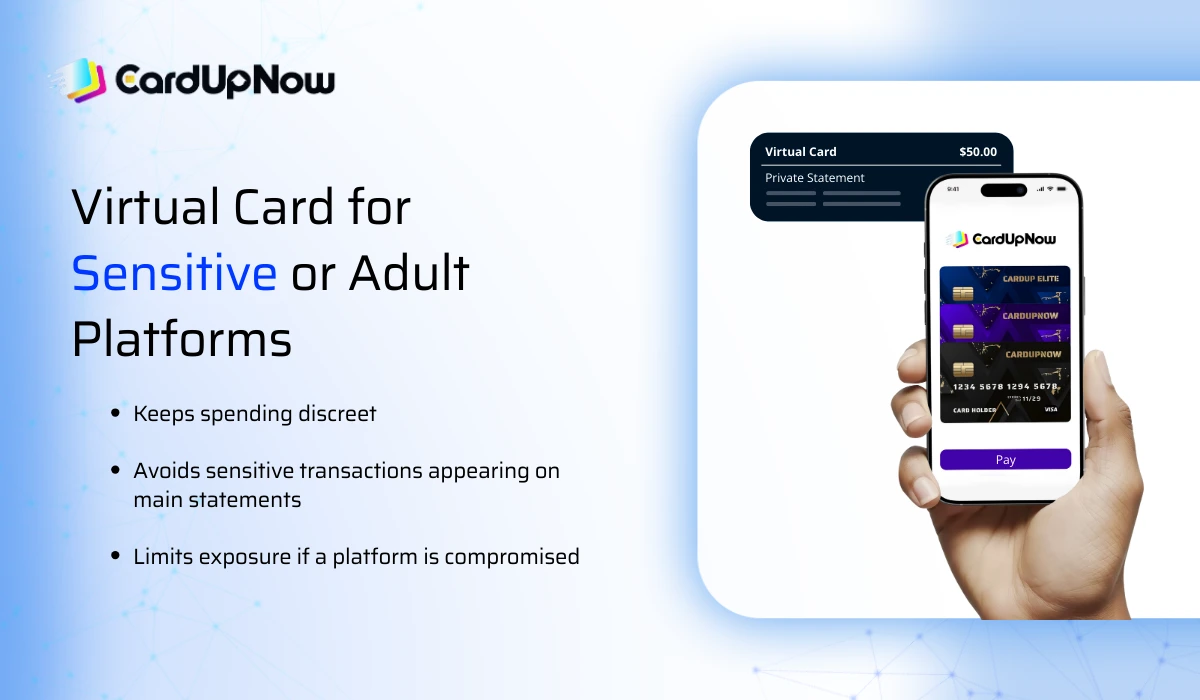
Some users prefer not to link their primary card to certain types of content or services. A separate virtual card:
- Keeps spending discreet
- Avoids sensitive transactions appearing on main statements
- Limits exposure if a platform is compromised
Virtual Card for International or Unknown Websites
Not every website follows the same security standards. Using a virtual card with a capped balance for unfamiliar platforms:
- Protects your main funds
- Reduces risk from data leaks
- Lets you shop globally with confidence
If something feels off, you can freeze or discard the card instantly.
Why People Who Switch Rarely Go Back
Once people start separating their spending with virtual cards, something subtle but important changes. Online payments stop feeling like a risk they have to monitor constantly. There’s no need to keep checking statements, no lingering worry about which websites still have saved card details, and no quiet anxiety about unexpected charges appearing later.
This sense of calm comes from control. When each payment has its own purpose-built card, users know exactly where their money can and cannot go. A subscription card can’t suddenly be used elsewhere. A trial card can’t turn into a long-term expense. Even if a website stores card details, those details are limited by design.
Over time, this shift changes behavior. Instead of reacting to problems after they happen, users prevent them from happening at all. That’s why people who switch to using virtual cards thoughtfully rarely return to using one card for everything. Once payments feel predictable and contained, going back feels unnecessary and risky.
A Practical Option for Those Who Don’t Want KYC Barriers
One reason many people delay creating a virtual card is not lack of interest, it’s friction. Long verification steps, document uploads, and identity checks often stop users before they even begin. Not everyone is comfortable sharing personal information just to make controlled online payments.
This is where CardUpNow takes a different approach.CardUpNow offers access to virtual cards without mandatory KYC, making it easier for users who value speed, privacy, or simplicity. Instead of waiting days for approval or submitting sensitive documents, users can focus on what actually matters: controlling how and where their money is spent online.
For people who:
- Want quick access to a virtual card
- Prefer prepaid control instead of bank-linked exposure
- Need a card for subscriptions, trials, or specific online use
- Value privacy in their online transactions
This removes one of the biggest barriers to getting started. The idea isn’t to bypass responsibility, it’s to give users choice. Choice over how much information they share, how fast they get access, and how they manage their online payments.
When creating virtual cards becomes simple and accessible, people are far more likely to use them proactively, not just after something goes wrong.
Final Thoughts
Most people discover virtual cards only after losing control of an online payment. Creating one early and using it intentionally helps avoid those situations altogether. When virtual cards are used for specific purposes instead of everything at once, online spending becomes safer, more predictable, and far easier to manage.
FAQs About Create a Virtual Card
Is creating one virtual card enough for all online payments?
Not really. Using one virtual card everywhere reduces flexibility. Creating separate cards for subscriptions, trials, and unfamiliar websites gives you much better control.
Can virtual cards stop unwanted subscription charges?
Yes. You can limit the balance, freeze the card, or discard it entirely, all without dealing with customer support.
Are virtual cards safer than traditional cards?
They’re safer for online use because they limit exposure. Even if details are compromised, your main bank card remains protected.